9+ curated guides • Updated November 2025
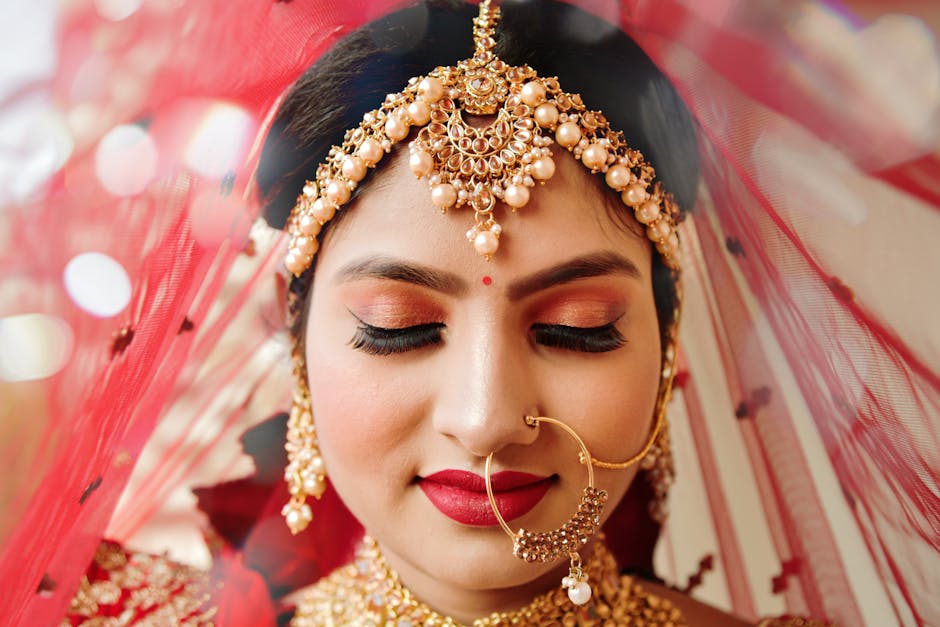
You've been taught to match your bindi to your lehenga, but what if its true power has nothing to do with color? We're reframing the bindi not as an accessory, but as an architectural tool. Prepare to see your own face differently as we explore how a few millimeters can elongate your profile, sharpen your gaze, and transform your entire look. As a makeup artist who began my journey in the fine arts, I see faces not as blank slates, but as living sculptures. Every plane, every curve, every angle presents an opportunity. For too long, the bindi has been relegated to the final step—a colorful afterthought. I'm here to tell you it should be the first consideration. It is the keystone of your facial structure, the central point from which all other features can be balanced and enhanced. This guide is your introduction to facial cartography, using the bindi as your most precise and powerful compass.
Remember 2022? It was the year we tentatively stepped back into the world, blinking in the sunlight. The purses we chose to carry were more than just accessories; they were our new social armor. From the wildly impractical micro-bag to the ultra-cushioned pillow purse, each trend was a direct response to a world grappling with newfound freedom and lingering uncertainty. These weren't mere fleeting styles dictated from a runway; they were artifacts of our shared experience, tangible symbols of our internal landscape broadcast for the world to see. By deconstructing the key handbag silhouettes of that pivotal year, we can read the story of our collective psyche—our anxieties, our defiant optimism, and our deep-seated need for comfort.
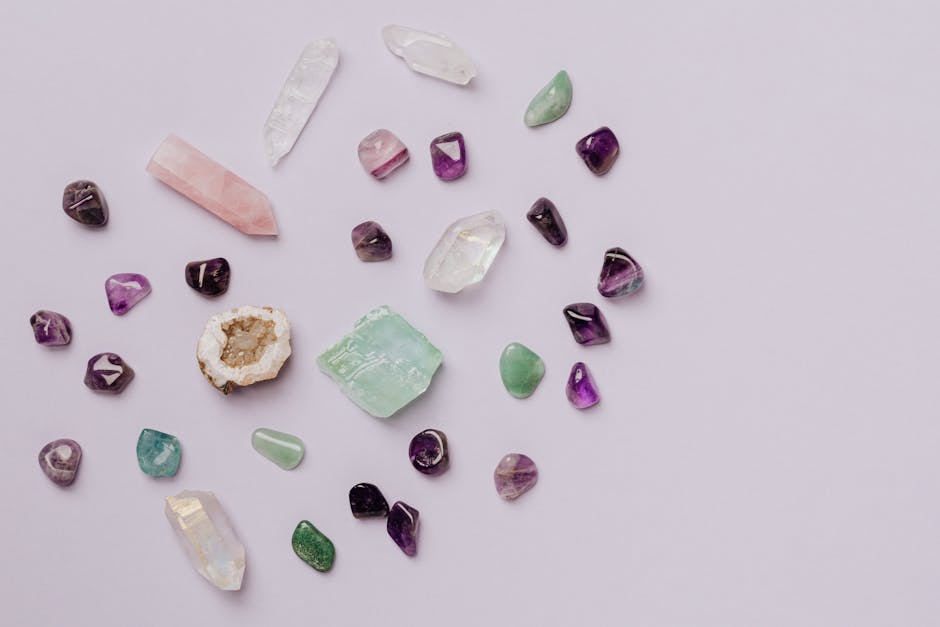
Forget what you know about birthstones dug from the gentle earth. The vibrant green peridot has a far more violent and cosmic story, having been forged in the planet's molten heart and found glittering in the wreckage of fallen meteorites. This isn't just the birthstone for August; it's a testament to survival from the most extreme corners of the universe. While other gems form in the crust, peridot is an outsider—a crystal born in the inferno of the upper mantle and sometimes delivered to us as an extraterrestrial passenger. It’s a stone that has traveled further and endured more than almost any other, carrying within its vibrant green facets the secrets of planetary formation and the silence of deep space.
We expect to see A-listers draped in Gucci on the red carpet, not shaking hands under the official seal of the Department of Trade and Industry. But the savviest celebrities are trading fashion week invites for government forums, and it’s not just for a photo-op. This is the new frontier of influence, where the ultimate status symbol isn't what you wear, but whose economic agenda you represent. This strategic pivot from transient commercial endorsements to substantive public-private partnerships marks the evolution of celebrity influence from mere spectacle to genuine economic force. It's a calculated decision to exchange the fleeting glow of the flashbulb for the enduring weight of a national legacy, transforming a personal brand into a patriotic institution.
By the time a major trend hits the shelves of big-box stores, it’s already oversaturated on social media. This frantic cycle can feel impossible for a small business to navigate. But what if you could turn that speed into your secret weapon, using strategically sourced wholesale accessories to get ahead of the curve and capture sales before anyone else? As a former fast-fashion buyer, I lived by a calendar that was six to nine months ahead of reality. We'd place massive bets on trends we hoped would land. Sometimes they did; often they didn't, leaving us with warehouses of unwanted inventory. Small boutiques don't have that luxury, but you have something better: agility. This article isn't about competing with the giants on their terms. It’s about creating a new game where you set the rules, using low-cost, high-impact accessories as your primary players.
Imagine a personality type practically engineered for the stage: intensely charismatic, empathetic, uninhibited, and with a natural gift for music. This describes many individuals with Williams syndrome, yet you'll struggle to find them headlining movies or topping the charts. This article investigates the compelling paradox of why these 'natural-born celebrities' remain largely outside the spotlight. This isn't a story about limitations, but about a profound mismatch between a unique set of human gifts and the rigid machinery of modern fame. We will move beyond the surface-level discussion of the condition to dissect the cultural and industrial architecture that decides who gets a platform and who remains in the wings. By understanding this paradox, we reveal more about our society's narrow definition of success than we do about Williams syndrome itself.
We think of a celebrity mugshot as the end of the story: the moment the glamour fades and the carefully constructed image shatters. But what if it’s actually the beginning? For a select few, the stark, unfiltered booking photo has become a career-defining pivot, a raw asset they've flipped from public humiliation into their most powerful brand statement. It's no longer just evidence of a crime; it's a meticulously managed piece of performance art. In the modern fame economy, the police station has become an unlikely branding studio, and the booking photo is the headshot you never knew you needed.
Walk into any garden center and you'll see the seductive allure of heirloom tomatoes, with their poetic names and promises of transcendent flavor. Yet, tucked away is the humble 'Celebrity'—a tomato so reliable it's almost boring. This article isn't about how to grow it; it's about why the smartest gardeners consistently choose this dependable workhorse, and what that choice says about the real secret to a successful harvest. It reveals a portrait of a gardener who has moved beyond romantic notions and embraced the profound wisdom of pragmatism, valuing the certainty of a full harvest over the gamble of a perfect bite.
Scroll through any high-profile social media feed, and you'll see it: the delicate, lucky clover of a Van Cleef & Arpels Alhambra bracelet. But behind the multi-thousand-dollar price tag lies a fundamental question for its owner: Are you wearing a powerful, personal talisman meant to last a lifetime, or the hottest luxury accessory of the moment, destined to become the 'it' item of a bygone era? This is the Clover Paradox, a fascinating tension point in the modern luxury landscape. The Alhambra collection, born in 1968 from a philosophy of luck, now finds itself at a cultural crossroads. It is both a deeply personal emblem of fortune, whispered about for decades among the elite, and a roaringly loud status symbol, broadcast daily to millions. This article deconstructs this duality, offering a critical lens for discerning collectors and aspiring owners to determine where they stand. We will explore its historical roots as a personal charm and its contemporary explosion as a viral phenomenon, ultimately helping you decide if this coveted clover is your forever talisman or just a fashionable pit stop.